November 16, 2026
How Small Businesses Can Spot Market Gaps with Competitive Analysis
By @thefunneljournal
Understanding Competitive Gaps in Your Market
Every small or growing business competes for attention, customers, and revenue. But competing effectively means more than just matching what others do. It means finding what they miss. That difference - the service nobody offers, the feature your competitors ignore, the pricing gap that leaves customers frustrated - is your competitive gap. A thorough competitor analysis helps you see those gaps clearly and decide which ones to fill. For businesses in Charlotte and beyond, knowing what your rivals are doing (and not doing) is the first step toward smarter positioning.
Why a Systematic Approach Matters
Without a structured method, competitive research becomes a messy pile of screenshots, pricing pages, and scattered notes. You miss patterns. You overlook weaknesses. Worse, you might copy what big competitors do instead of finding your own advantage. A checklist forces you to look at the same dimensions for every competitor. That consistency reveals the real opportunities. The goal isn't to imitate - it's to identify where you can offer something different and valuable.
1. Identify Your Real Competitors
Start by listing who you actually compete with. That includes direct competitors (same product, same audience) and indirect ones (different product, same customer need). A local coffee shop in Charlotte competes with other cafes but also with the gas station that sells decent drip coffee and the office break room. For a service business, your competitor might be the person doing the work themselves. Cast a wide net at first, then narrow your focus to the five or six rivals that matter most. Ask: who does my target customer consider before choosing me?
2. Map Their Market Position
Once you have your list, figure out where each competitor sits. Are they premium, budget, or mid-range? Do they serve everyone or a niche? Do they emphasize speed, quality, or price? Plot them on a simple grid: price on one axis, quality or service level on the other. The blank spaces on that grid are potential gaps. For example, if every competitor in your area offers premium pricing with slow service, there might be room for a fast, affordable option. Market positioning isn't static - revisit your map every quarter.
3. Analyze Their Online Presence
Search visibility tells you a lot about what competitors prioritize. Look at their website structure, blog content, and social media activity. Do they publish regularly? What keywords do they target? Are they active on platforms where your customers spend time? A competitor with a strong website but weak local search presence might be vulnerable to a business that invests in local SEO. Check their Google Business Profile, Yelp, and industry-specific directories. Gaps in their online presence - missing categories, outdated hours, unanswered reviews - are gaps you can exploit.
4. Study Their Pricing and Offers
Pricing signals are one of the fastest ways to spot gaps. Look at how competitors package their products or services. Do they offer tiered pricing? Free trials? Discounts for annual commitments? What do they charge for add-ons? If every competitor in your industry charges by the hour, a flat-fee model could stand out. If they all require a contract, a month-to-month option might attract hesitant buyers. Be careful not to compete only on price - that race rarely ends well. Instead, look for pricing structures that align with customer preferences your competitors ignore.
Web Rank Digital is also on Instagram.
5. Evaluate Their Customer Experience
Customer reviews are a goldmine of competitive intelligence. Read recent reviews for each competitor. Look for recurring complaints: slow response times, confusing checkout processes, hidden fees, poor support. Those complaints are your gap list. If a competitor's customers consistently mention long wait times, a faster service becomes your advantage. If they complain about limited product knowledge, better training becomes your edge. But also look at what customers praise. That tells you what the competitor does well - don't try to beat them there unless you can do it significantly better.
Moving from Analysis to Action
Collecting data is only half the work. The real value comes from turning observations into decisions. After you finish your checklist, rank the gaps you found. Which ones affect the most customers? Which can you address with your current resources? Which would give you a sustainable advantage rather than a temporary edge? A gap that requires a huge investment for a small payoff isn't worth pursuing. One that plays to your strengths and meets a real customer need is worth acting on immediately.
One practical way to organize this process is to use a dedicated tool that tracks competitors in real time. A competitor analysis system can automate much of the monitoring - pulling pricing updates, review changes, and new content from competitor sites. Instead of manually checking each rival every week, you get alerts when something shifts. That speed matters because gaps don't stay open forever. A competitor might fix their pricing, improve their reviews, or launch a new feature. The sooner you know, the sooner you can adjust your own strategy.
Common Pitfalls to Avoid
Even with a good checklist, it's easy to fall into traps. One common mistake is focusing only on direct competitors and ignoring substitutes. Another is copying features without understanding why customers value them. A third is treating competitor analysis as a one-time project. Markets change. New competitors appear. Existing ones pivot. Schedule a regular review - every month for fast-moving industries, every quarter for stable ones. Also avoid the temptation to watch too many competitors. Five well-chosen rivals give you better insight than twenty shallow profiles.
Using the Data to Refine Your Strategy
Once you know where the gaps are, your next step is to decide how to fill them. That might mean adjusting your product features, changing your messaging, or rethinking your target audience. A feature comparison between your offering and each competitor's helps you see exactly where you lead and where you lag. Don't try to fix every gap at once. Pick the one or two that offer the clearest competitive advantage and align with your business strengths. Test your changes with a small group of customers before rolling them out widely.
A well-designed competitor analysis system can also help you measure the impact of your changes. If you lower your price or add a new service, does your market share grow? Do your reviews improve? Do you see more traffic from competitor-related searches? Tracking those metrics over time turns your gap analysis from a static report into a dynamic strategy tool. The businesses that grow fastest aren't always the biggest - they're the ones that pay attention to what the market wants and delivers it better than anyone else.
Making It a Habit
The best competitor analysis is the one you actually use. Build a simple routine: set aside two hours each month to run through your checklist. Update your competitor list. Note any major changes. Decide on one action to take before the next review. Over time, this habit becomes second nature. You stop reacting to competitors and start anticipating them. That shift - from reactive to proactive - is what separates growing businesses from those that stay stuck.
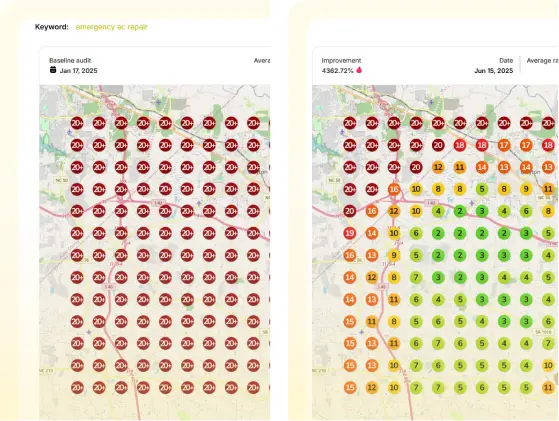
If you're looking for a structured approach to competitor research and market gap detection, Web Rank Digital offers a platform that includes these capabilities. Their system is designed to help businesses identify market opportunities and analyze competitors systematically. Visit their office at 401 S Graham St, Charlotte, NC 28202, or call +1 877-726-5871 to learn more.
❧